

A collage of Orlando theme park landmarks: a fairy-tale castle, a spinning globe, a new park entrance tower at dusk, and an aerial view of a marine park

Stay & Play Orlando

Orlando trips for the whole crew — park news with a family point of view, and honest planning guides for doing Disney, Universal and the rest with a crowd in tow.

Start with our welcome post

New here? This is the post that explains what Stay & Play Orlando is, who it’s for, and what lands here every week.

Latest posts

Our posts so far: the welcome, a complete villa guide for British holidaymakers, the big-family playbook, our weekly park roundup, and a practical guide for UK visitors who have a bump in the hire car.

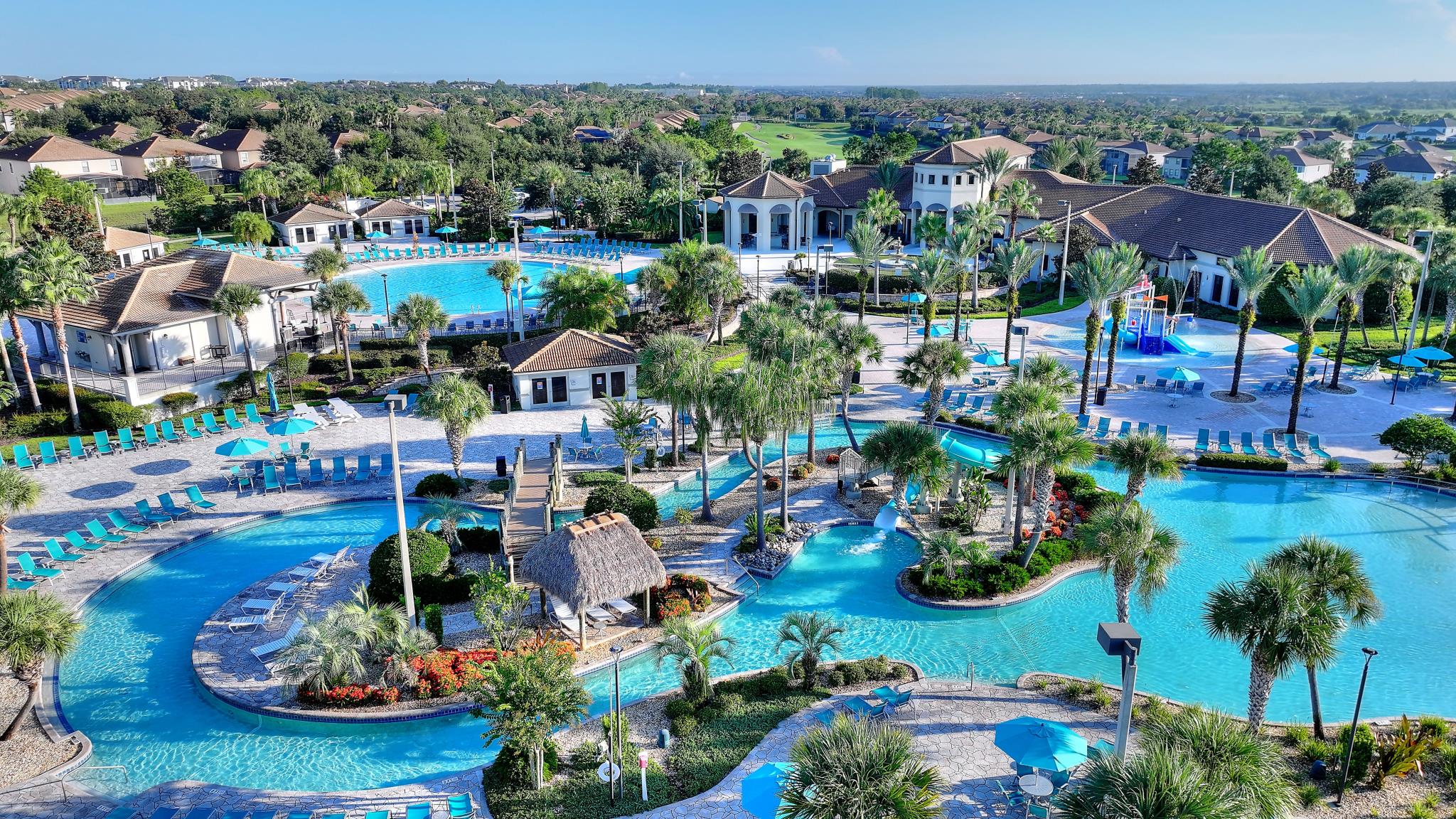
An aerial view over the ChampionsGate resort community in Davenport, Florida, with villas, lakes and palm trees

October 5, 2026

Welcome to Stay & Play Orlando

Who this blog is for, what we publish each week, and why big-group Orlando trips deserve better advice than “just book two hotel rooms.”

Read post →
  • Start Here
  • Big Groups
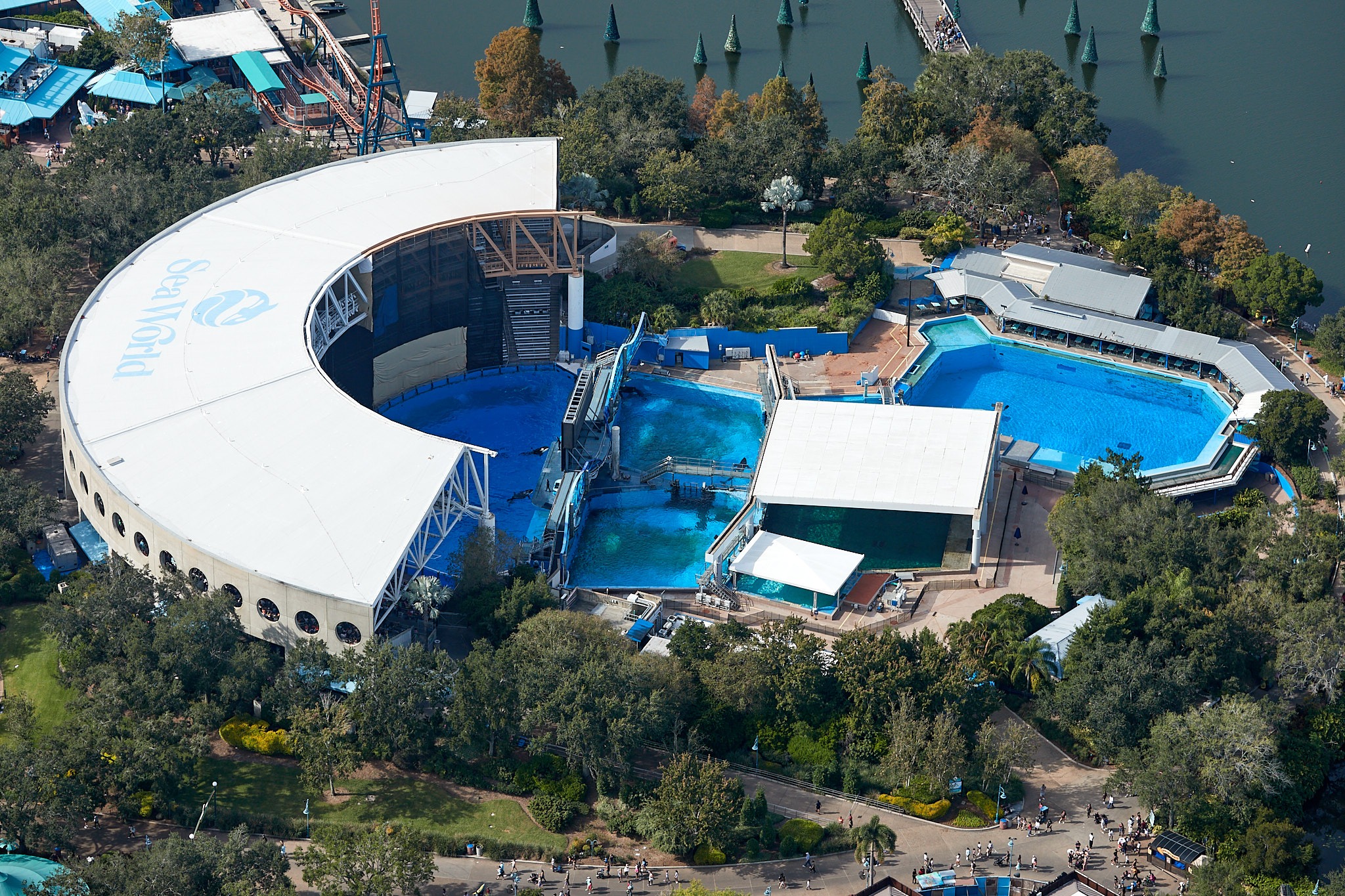
An aerial view over a marine theme park in Orlando, with lagoons, pools and green landscaping

October 11, 2026

This Week in Orlando Parks

The week's real headlines — ticket price hikes, holiday parties selling out, Tiana's coming back — read through one filter: what it means for big groups.

Read post →
  • Park News
  • Weekly Roundup

What you’ll find here

Two things, done properly, every week — written by people who plan these trips for groups of ten, fifteen, twenty.

This Week in Orlando Parks

A weekly roundup of what’s changing across Disney World, Universal, Epic Universe, SeaWorld and Discovery Cove — filtered through one question: does this change how a big family or group should plan? New rides, seasonal events, crowd patterns and ticket changes, without the hype.

Big-group planning guides

The practical stuff nobody writes down: splitting parks across days so nobody melts down, feeding twelve people without park-food prices, rest days that actually restore, and honest cost maths for groups — for US families and for UK and Canadian visitors planning longer holidays.

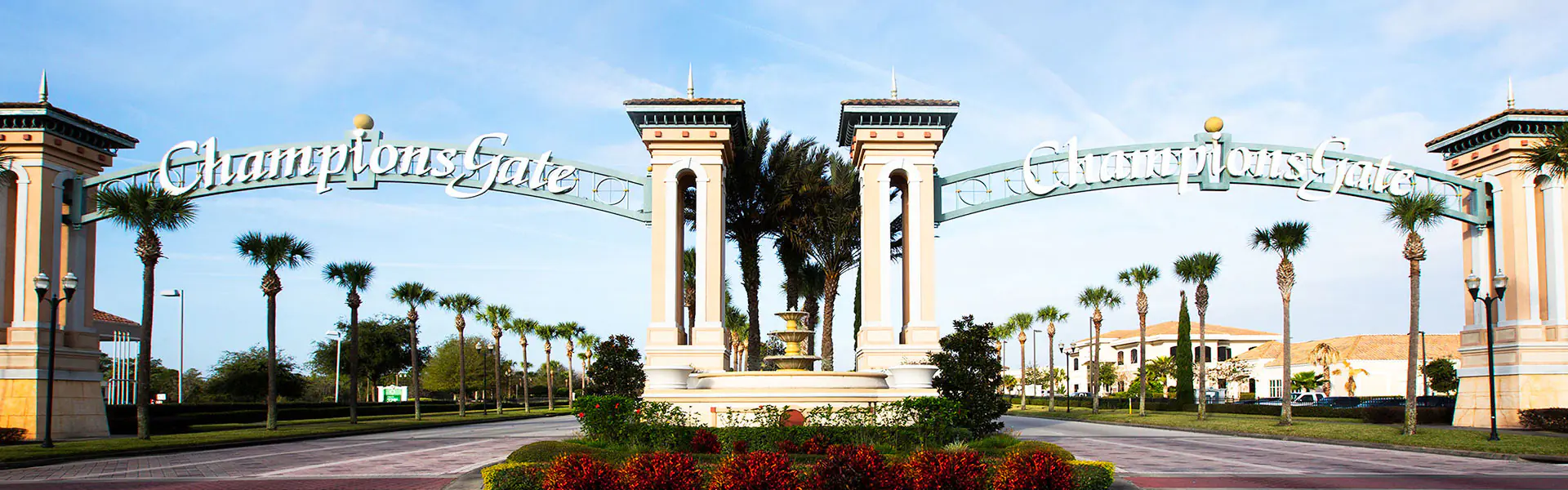
The palm-lined entrance to the ChampionsGate resort community in Davenport, Florida, under a bright sky

About the blog

About Stay & Play Orlando

Stay & Play Orlando is an independent travel blog about one thing: Orlando theme-park trips taken by big groups. Not couples, not solo travellers — the full crew. Three generations around one table. Two or three families travelling together. Grandparents, parents, teenagers and toddlers all in the same holiday.

That kind of trip is wonderful, and it is also a logistical project. The advice out there mostly assumes a family of four in one hotel room, and it quietly falls apart at ten people. We write the version that doesn’t: where a group actually stays, how you split the parks across days without a meltdown, how you feed everybody, and what the week should honestly cost.

Who it’s for

  • Big US families and multigenerational groups heading to Disney World, Universal, Epic Universe, SeaWorld or Discovery Cove with eight, twelve, twenty people.
  • UK and Canadian visitors planning the classic long Orlando holiday — seven to fourteen days, booked months ahead, with a villa as home base and a hire car out front.
  • Groups of friends travelling together — reunion trips, sports-team families, and anyone splitting one big house instead of booking a corridor of hotel rooms.

Our point of view

Family travel, first and always. We cover park news, but we read it the way a parent or grandparent does: does this change our plans, our budget, or our naps? A new ride matters. A changed parade time matters. What doesn’t matter is hype, and you won’t find much of it here. When we recommend a way of doing things, it’s because it survives contact with a real group of real people — including the toddler who needs a rest day and the grandad who needs a proper chair.

What to expect

Two posts a week:

  • This Week in Orlando Parks — our roundup of park news, seasonal events and planning-relevant changes across the Orlando parks.
  • One planning guide — a deep, practical post on doing Orlando with a crowd: itineraries, budgets, villa know-how, and UK/Canada-specific basics.

That’s the whole promise. No filler, no daily noise.

Where we stay

This blog is written by the people behind Luxe Magic Villas, an 8-bedroom, 5-bathroom villa in ChampionsGate, Davenport, FL, with a heated pool and spa with lanai, about 20 minutes from Disney World and a 3-minute stroll from the Retreat Club’s waterslides and lazy river. It sleeps 20+, and it’s the base camp our own group trips run from. Posts here sometimes link to it — always openly, never disguised.

Non-affiliation disclaimer

Stay & Play Orlando is an independent travel blog and is not affiliated with, endorsed by, or sponsored by Disney, Universal, SeaWorld, or any theme park. The park names mentioned on this site — including Disney World, Universal, Epic Universe, SeaWorld and Discovery Cove — are used for editorial identification only, so readers know which parks we are writing about. Their use does not imply any partnership, endorsement or official connection, and all park names and related marks belong to their respective owners. Always check the parks’ official channels for current schedules, prices and policies before you travel.

← Back to the home page
An aerial view over the ChampionsGate resort community in Davenport, Florida, with villas, lakes and palm trees

Start here

Welcome to Stay & Play Orlando

October 5, 2026

  • Start Here
  • Big Groups
  • Family Travel

Here’s how most Orlando trips get planned. Somebody — usually the same somebody every year — opens forty browser tabs, makes a spreadsheet nobody reads, and quietly becomes the unpaid travel agent for eleven people. Meanwhile, almost every guide they find was written for a family of four in a single hotel room.

Stay & Play Orlando exists because that family of four is not who we travel with. We travel with the whole crew: grandparents and grandkids, in-laws and cousins, two families who’ve been saying “we should do Orlando together” for a decade and finally did. If that’s your trip, you’re in the right place — and if you’re the somebody with the spreadsheet, pull up a chair. We made this for you.

Who this blog is for

Big families and multigenerational groups. When the trip spans toddlers to grandparents, every decision changes shape: park days need rest days, the littlest ones set the pace, and dinner for fourteen is an event, not an afterthought. We plan for all of it.

Groups of friends travelling together. Reunions, milestone birthdays, the sports-team trip that grows by six people every year. Travelling as a group is cheaper per head and better in every other way too — if somebody thinks through the logistics. That’s us. That’s literally this blog.

UK and Canadian visitors. You’re planning the big one: seven to fourteen days, flights booked months out, a villa as home base. Your questions are different — ESTAs, driving on the right, pool heat in February, how to dodge school-holiday price spikes — so we answer them directly, in dedicated guides, in plain British English where that’s who the guide is for.

What you’ll get every week

Two posts, on a rhythm you can set your watch by:

This Week in Orlando Parks. A roundup of what’s actually changing across Disney World, Universal, Epic Universe, SeaWorld and Discovery Cove — new rides, seasonal events, crowd patterns, ticket and policy changes — each one read through a single filter: does this change how a big group should plan? If it doesn’t, we skip it. Your time is worth more than a headline.

One proper planning guide. The deep, practical stuff: splitting the parks across a week so nobody melts down, the arrival-day grocery run that saves a fortune, honest cost maths for groups, rest days that actually restore people, and the rhythms we use ourselves.

How we write

Warm, direct, and allergic to hype. We do these trips — with the crowd, the spreadsheet, the cooler of drinks and the grandparent who insists the lazy river counts as a park day (it does). When something worked, we’ll tell you. When something was a bin fire, we’ll tell you that too, so your crew doesn’t repeat it. No breathless “you won’t BELIEVE this new snack” energy. Just the stuff we’d text a friend who’d asked.

One more thing, up front, because it matters: we’re independent. This blog isn’t affiliated with any theme park, and nobody pays us to say nice things about rides. We’ll link to the villa we run, openly, at the end of posts — it’s where our own crew stays, and it’s genuinely a good base for a group. Everything else here is just the advice.

One last thing before you dive in: if you’re reading this while planning, you’re already ahead of most groups. The trips that go well aren’t the ones with the most park days — they’re the ones somebody thought about at the scale of the whole crew. That’s the thinking this blog exists to share: two posts a week, all year round, for the people holding the spreadsheet.

So: welcome. Start with the launch posts below the next time you open this site — the Brits’ villa guide if you’re flying in, the Big-Family Playbook if you’re driving down — and come back each week for the roundup. The crew’s all here. Let’s plan the trip properly.

Planning a trip with the whole crew?

Our base camp is an 8-bedroom, 5-bathroom villa in ChampionsGate, Davenport, FL — heated pool and spa with lanai, room for 20+ guests, about 20 minutes from Disney World, and a 3-minute stroll from the Retreat Club’s waterslides and lazy river. It’s built for exactly the trips this blog is about.

See the villa at Luxe Magic Villas
← Back to all posts
A sparkling resort pool lined with palm trees and sun loungers at the Oasis Club in ChampionsGate

For UK visitors

Orlando Villas for Brits: The Complete Holiday Guide

October 7, 2026

  • UK Visitors
  • Villas
  • Planning
  • Orlando Villa

If you’re British and planning an Orlando holiday, you’ve probably already had the debate every UK family has: hotel on International Drive, or a villa in one of the resort communities out towards Davenport and ChampionsGate? For a couple doing four nights, it’s a fair fight. For a family — let alone two families, or grandparents in tow — staying a week or a fortnight, the villa wins comfortably. Here’s why, what to look for, and the practical bits nobody tells you until you’re already there.

Why Brits book villas over hotels

Space, and lots of it. A hotel gives you a room, a bathroom and a kettle if you’re lucky. A villa gives you separate bedrooms for everyone, a living room people actually sit in, and a kitchen the size of the one at home. After a long park day, the adults can open a bottle on the lanai while the kids are asleep in actual beds.

Your own pool. This is the big one. A heated pool and spa out the back, steps from your morning coffee, with no 6 a.m. towel-on-the-sunlounger warfare and no closing time. For most British families it becomes the favourite part of the holiday — the rest days happen there, the kids live in it, and it’s yours alone.

A proper kitchen and laundry. Over a fortnight, eating every meal out adds up brutally. A full kitchen means easy breakfasts before the parks, a big shop that lasts the week, and leftovers for the nights nobody can face another restaurant. The washing machine is the unsung hero: pack half as much, wash as you go.

Cost per head. Split one villa between eight, ten or twelve people and the per-person nightly cost routinely undercuts booking three or four hotel rooms — while giving you far more room to enjoy it. The maths gets better the bigger your group and the longer you stay, which is exactly the British pattern: book long, book together.

What to look for before you book

  • Pool heating in the cooler months — treat it as essential. From roughly November to March, an unheated Florida pool is bracing. If your holiday falls in those months, confirm the pool heat is included or budget for it as an add-on — it’s the difference between using the pool daily and admiring it.
  • A games room for the teenagers. Pool table, air hockey, a big telly with a console — whatever the mix, a games room is where the teens disappear on rest days and rainy afternoons, and it earns its keep every single trip.
  • Distance to the parks, honestly stated. “Minutes from Disney” can mean anything in Florida. Look for a stated drive time (around 20 minutes to Disney World is a genuinely good base) and remember you’ll make the run most days, often twice.
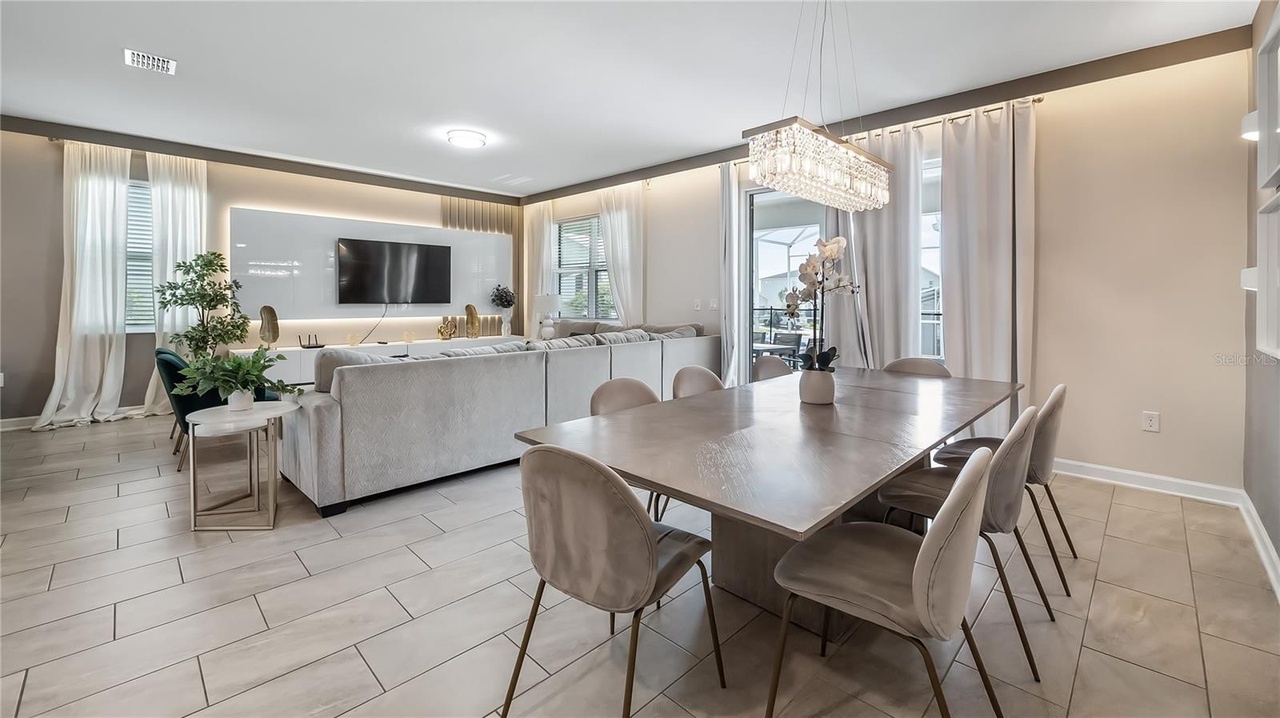
  • A proper dining table for 10+. Sounds trivial; isn’t. If your group can’t all sit down together, you’ve lost half the point of sharing a house. Check the photos and count the chairs.
  • Enough bathrooms. Eight bedrooms and two bathrooms is a queue, not a holiday. Five bathrooms for a big house is the sort of ratio that keeps mornings civilised.

The practical basics, sorted

ESTA. Most British holidaymakers travel on the Visa Waiver Programme, which means an approved ESTA before you fly — apply through the official US government site only (it’s inexpensive; third-party sites charge silly money for the same form), and do it well before departure, not at the airport.

Driving on the right. You’ll collect a hire car, almost certainly an automatic, and drive on the right. It feels odd for the first hour and natural by the second day. Two things catch Brits out: you may turn right on a red light unless a sign says otherwise, and school buses are sacred — when one stops with its sign out, traffic stops in both directions.

Tipping 18–20%. In sit-down restaurants, 18–20% of the bill is the normal, expected tip, and it’s how serving staff are actually paid. Budget for it from the start rather than doing the maths with a sigh at the end of every meal.

Plugs and adapters. The US uses flat two-pin Type A/B sockets at 120 volts. Bring a couple of UK-to-US adapters (they’re cheap at the airport if you forget) and a small multi-socket extension lead — one adapter then charges the whole family’s phones. Most modern chargers handle the voltage happily.

When to book

The sweet spot for British families is six to twelve months out. The best villas in the best communities go first for peak dates, and booking early also lets you spread payments and plan the fun parts properly. The dates to treat carefully are the UK school holidays — Easter, the summer holidays, October half term and Christmas — when flight and villa prices both spike because every British family has the same idea at the same time. If your party has any flexibility, even shifting by a week either side of half term can take a real bite out of the total, and the parks are quieter for it.

Sort the villa early, sort the ESTA early, and the rest of the planning — park days, rest days, the big supermarket run on arrival — is the enjoyable part. Which is rather the point.

The villa this guide is written from

We run an 8-bedroom, 5-bathroom villa in ChampionsGate, Davenport, FL — heated pool and spa with lanai, a games room, dining for the whole group, and room for 20+ guests. It’s about 20 minutes from Disney World and a 3-minute stroll from the Retreat Club’s waterslides and lazy river — and yes, the pool heat is sorted for the cooler months.

See the villa at Luxe Magic Villas
← Back to all posts
A bright open-plan dining area with a large table seating a big family group

Planning guide

The Big-Family Playbook: Doing Disney & Universal With a Crowd

October 9, 2026

  • Big Families
  • Planning
  • Disney
  • Universal

Doing Orlando with four people is a vacation. Doing it with twelve is a logistics operation with fireworks. The families who come home glowing aren’t the ones who did the most — they’re the ones who planned the week at the scale of their actual group. This is the playbook we use: how to split the parks, feed the crowd, house everyone, and pace the days so the trip ends with people still speaking to each other.

Split the parks across days — never stack them

The rookie mistake is treating every day as a park day, rope drop to fireworks, back to back. With a crowd, that pace collapses by day three: the toddler is done, the grandparents are running on fumes, and somebody is crying in a gift shop (not necessarily a child).

Instead, deal the parks out like cards. One major park, then a lighter day. One park per “anchor” day, with the group free to peel off — because with twelve people, not everyone wants every ride, and forcing unanimity is how resentment starts. Agree on two or three must-dos together per park day (the big ride, the parade, the family photo), and let the rest of the day flex by age and energy. Epic Universe and the two Universal parks reward a full day each; Magic Kingdom with little kids is often better as a long morning-to-evening with a midday escape than a dawn-to-close siege.

The arrival-day grocery run is your budget’s best friend

Do one big shop on arrival day — before everyone scatters — and you’ve made the single highest-value decision of the trip. Breakfast things, sandwich fixings, snacks, drinks, fruit, and two or three easy dinners (pasta night, taco night, grill night) go in the carts. Then compare honestly:

Feeding twelve people three meals a day inside the parks, at park prices, is the fastest way to turn a vacation into a second mortgage. The same crew eating breakfast at the house, carrying snacks and water, and having a few home dinners can save hundreds of dollars across a week — money that buys the nice dinner out, the souvenirs, or next year’s deposit. One big shop. Ninety minutes. Done once, benefits daily.

The housing math: one villa vs. four hotel rooms

Run this comparison for any big group and it stops being close. Take a crew of fourteen — say three families plus grandparents:

  • Hotels: four separate rooms to fit everyone, four nightly room rates, four sets of taxes and resort fees — and your “together” time happens in a lobby or a parking lot. Breakfast costs extra, per person, every morning.
  • One 8-bedroom villa: one nightly rate for the whole house, split across the group. Eight bedrooms and five bathrooms under one roof, a full kitchen, a laundry room, a games room, and a heated pool and spa with lanai out back for the hours you’re not at the parks.

Split eight or ten ways, the per-family cost of the villa routinely lands below what each family would have paid for its own hotel room — and the group gets a living room, a dining table that seats everyone, and a pool that doesn’t close at nine. Per person, per night, it isn’t a contest.

Rest days are not wasted days — plan them like park days

Build rest days into the week on purpose, and put them on the calendar before you arrive, or the parks will expand to fill every hour. A proper rest day at a resort community is a destination in itself: clubhouse pools, a lazy river you can float for an hour, waterslides for the kids who apparently have no off switch, and a tiki bar for the adults who very much do. The rule of thumb we use: after every two park days, one day off. Groups that follow it finish the week with energy left for the last park — groups that don’t spend the last park day as an armed truce.

A 7-day rhythm

Day 1: Arrive, settle in, the big grocery run, pool evening.
Day 2: Magic Kingdom — arrive early, must-dos together, out before the late crush.
Day 3: Rest day — clubhouse pools, lazy river, waterslides, pasta night at the house.
Day 4: Universal Studios and Islands of Adventure, split by age groups, regroup for dinner.
Day 5: Slow morning, then EPCOT into the evening for food and fireworks.
Day 6: Epic Universe — the new-park day, full and unhurried.
Day 7: Rest morning, pool and packing, one last dinner out together.

Notice what’s missing: a single day where everyone had to be somewhere at 7 a.m. two days running. That’s not laziness. That’s engineering.

That’s the whole playbook: deal the parks out, shop once and big, house everyone together, and defend the rest days. Do those four things and a crowd stops being a complication — it becomes the best part of the trip.

Where our crew runs this playbook from

An 8-bedroom, 5-bathroom villa in ChampionsGate, Davenport, FL — sleeps 20+, with a heated pool and spa with lanai, a full kitchen made for the big shop, and dining for the whole crowd. About 20 minutes from Disney World, and a 3-minute stroll from the Retreat Club’s waterslides and lazy river for those rest days.

See the villa at Luxe Magic Villas
← Back to all posts
An aerial view over a marine theme park in Orlando, with lagoons, pools and green landscaping

This Week in Orlando Parks

October 11, 2026

  • Park News
  • Weekly Roundup
  • Planning

Headlines

Tiana's Bayou Adventure has a reopening date. Magic Kingdom's log-flume ride is coming back — good news for groups, because it's exactly the kind of high-capacity, all-ages ride that keeps a mixed crew happy together. Ride it in the morning while everyone's fresh; you'll get wet, so it's also your excuse for the midday break afterwards.

Disney raised 2027 ticket prices — peak days now hit $229. Single-day tickets went up across the board this week, with the priciest days reaching two hundred and twenty-nine dollars. Multiply that by fifteen people and you see why we keep hammering the accommodation math: the tickets are the fixed cost, so the stay is where a big group saves its money. Price your tickets early — they only move one direction.

Holiday party tickets are selling out. The opening night of Jollywood Nights at Hollywood Studios is already gone, and more November dates of Mickey's Very Merry Christmas Party sold out this week. If your group is eyeing a November or December trip, buy the party tickets when you buy the park tickets — not "later," because later is sold out.

Lightning Lane Single Pass prices hit record highs from November 1. The paid skip-the-line passes for four rides got more expensive. Here's the group math nobody does for you: that price is per person, per ride. For a family of fifteen it can cost more than a whole extra park day. Budget it deliberately, or plan rope-drop and a midday break instead — both are free.

Universal's Horror Make-Up Show is coming back — with Blumhouse. The long-running comedy show returns with the horror studio behind it. For groups with teenagers this is a gem: it's seated, it's air-conditioned, it's funny, and it's the perfect midday break when the sun is at its worst.

Hagrid's opened late on Friday — then posted 120-minute waits. Islands of Adventure's star coaster had a delayed opening on October 9th and still pulled two-hour lines once it got going. The lesson for big groups: never promise the kids a specific ride at a specific time. Have a backup headliner, split into crews by thrill appetite, and treat the big coaster as a bonus, not the plan.

Worth knowing

Fast & Furious: Hollywood Drift is in pull testing. Universal's new coaster is running test vehicles with more theming going up. Our standing rule: never plan a trip around a ride that isn't open yet — construction timelines slip, your flights don't. But if you're booking for 2027, this one's on the watch list.

Expect construction walls at Islands of Adventure. Demolition work continues in the old Lost Continent area, with a new service road going in. It's behind walls, but that corner of the park will look and feel like a work zone for a while — set expectations with the group so nobody's disappointed.

October weather: still summer, mostly. Autumn in name only — expect warm days, a real chance of a heavy afternoon downpour, and evenings that are finally pleasant enough to enjoy outdoors. For groups, the move is light layers, ponchos in the day bag, and no white trainers you care about. The rain is rarely a day-ruiner, either: it clears the queues like magic while everyone else shelters under an awning.

Tip of the week

Split the group on purpose, twice a day. The happiest big groups we know don’t move as one herd of twelve. Agree two fixed regroup points each park day — a late-morning snack spot and the evening meal — and let everyone split freely in between by ride appetite and nap needs. You’ll cover more, argue less, and actually have things to tell each other over dinner.

That's the roundup: the week's headlines, what they mean for a big group, and one tip worth stealing. New edition every week.

Reading the roundup and planning a group trip?

Our base in ChampionsGate, Davenport, FL is an 8-bedroom, 5-bathroom villa that sleeps 20+ — heated pool and spa with lanai, about 20 minutes from Disney World, and a 3-minute stroll from the Retreat Club’s waterslides and lazy river. A good home base makes every plan in this post easier.

See the villa at Luxe Magic Villas
← Back to all posts
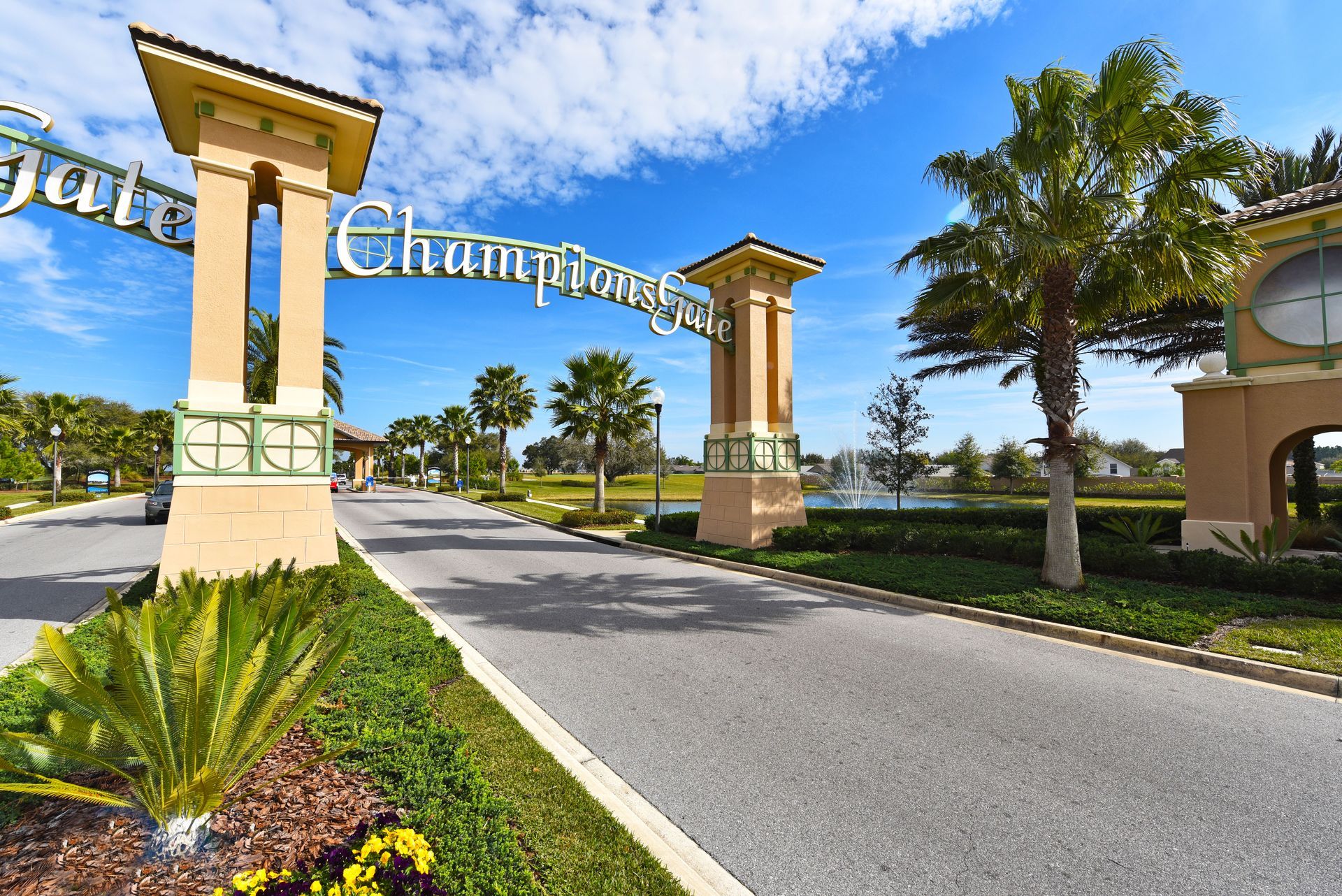
The gated entrance to the ChampionsGate resort community in Davenport, Florida, with palm-lined roads

For UK visitors

In a Car Accident in Orlando? What UK Visitors Need to Know

October 11, 2026

  • UK Visitors
  • Driving
  • Practical Guide

Nobody plans for it. You’re in a hire car on unfamiliar roads, driving on the other side from the one you grew up with, probably still foggy from jet lag — and then somebody clips you at a junction. It happens to careful drivers every week in Orlando. What separates a ruined holiday from a manageable bad afternoon is whether you kept a calm head and did the right things in the first 30 minutes. This is that list.

At the scene: the first 30 minutes

Work through these in order, and you’ll have everything the police, the hire company and the insurers need.

  1. Safety first. Hazards on, check everyone is okay, and if the car is drivable and it’s safe, move it off the road — onto the shoulder or into a car park — so you’re not standing in traffic.
  2. Call 911. That’s the emergency number here, not 999. Ask for the police; in Florida a police report matters enormously for insurance, so don’t be talked into just swapping numbers and driving off.
  3. Don’t admit fault. Be polite, be calm, be factual — but don’t apologise in a way that sounds like accepting liability, and don’t agree who caused it at the roadside. That’s for the insurers.
  4. Exchange details. Names, phone numbers, insurance company and policy number, registration plates from both cars — and, if it’s a hire car, your rental agreement number as well.
  5. Photograph everything. Both cars from all angles, the road, any skid marks, the other car’s plate, and the other driver’s licence and insurance card. You cannot take too many photos at a scene.
  6. Get the police report number before the officer leaves. You’ll need it for every claim and phone call afterwards.
  7. If there are witnesses, ask for a name and number. People are usually happy to help; one independent witness can settle a disputed claim.

Florida is a no-fault state — what that means for you

In plain English: for injuries, your own cover pays your medical bills first — through what’s called Personal Injury Protection (PIP) — regardless of who caused the accident. It does not mean nobody is at fault for the cars. Vehicle damage still follows fault in the normal way: if the other driver caused the crash, their cover is in the frame for the damage. Two systems, side by side — injuries one way, cars the other.

The hire car: call them before you call anyone else

Once the scene is safe, the hire company is your next call. Their number is on the rental agreement and usually on the key tag too. They’ll tell you exactly what happens next — whether the car can be driven, and how you get a replacement. Don’t authorise any repairs, and don’t agree anything with the other driver about the hire car: it isn’t your car, so it isn’t your call. Ask them precisely what to do about returning the car, so there are no surprises at drop-off.

The excess is where it stings

This is the part Brits get caught by. The basic cover on a hire car usually comes with a large excess — often $1,000 or more — charged to you first if the car is damaged. Know before you travel which of these covers yours: the hire company’s own damage waiver; your UK credit card’s hire-car cover — some premium cards include it, so check; or a standalone car-hire excess policy bought in the UK before you fly, usually the cheapest option. If you arranged none of the three, the excess comes out of your pocket.

Tell your travel insurer within 24 hours

Most policies require prompt notification, so tell them within 24 hours even if you’re not yet sure you’ll claim — it protects every claim you might make later. From here on, keep every receipt: the taxi from the scene, any medical costs, the hire company paperwork, and the police report number. Photograph the lot as it arrives, again. Insurers settle claims on evidence.

Keep this in the glovebox (and on your phone)

Five minutes of organising on day one saves an hour of scrabbling at the roadside:

  • A photo of your hire agreement on your phone.
  • A photo of your driving licence — and photograph the other driver’s if the worst happens.
  • The hire company’s emergency number saved in your phone.
  • Your travel insurer’s 24-hour claims number saved in your phone.
  • A pen and paper in the glovebox, as backup for a flat phone battery.

Tip: photograph your hire car before you drive it off the lot

Walk round it at pickup on day one and photograph every existing scratch, scuff and dent, with the date showing. Five minutes in the car park prevents an argument at drop-off about damage you didn’t cause.

Accidents on Orlando holidays are rare, but the visitors who cope best are the ones who knew the drill before they needed it. Save the numbers in your phone now, take the pickup photos, and bookmark this page — future-you says thanks.

This is practical guidance from experience, not legal advice. If injuries or serious damage are involved, talk to your insurer and consider local legal advice.

Planning a trip with the whole crew?

Our base camp is an 8-bedroom, 5-bathroom villa in ChampionsGate, Davenport, FL — heated pool and spa with lanai, room for 20+ guests, about 20 minutes from Disney World, and a 3-minute stroll from the Retreat Club’s waterslides and lazy river. It’s built for exactly the trips this blog is about.

See the villa at Luxe Magic Villas
← Back to all posts